What is a coverless duvet? Everything you need to know

What is a coverless duvet? Everything you need to know

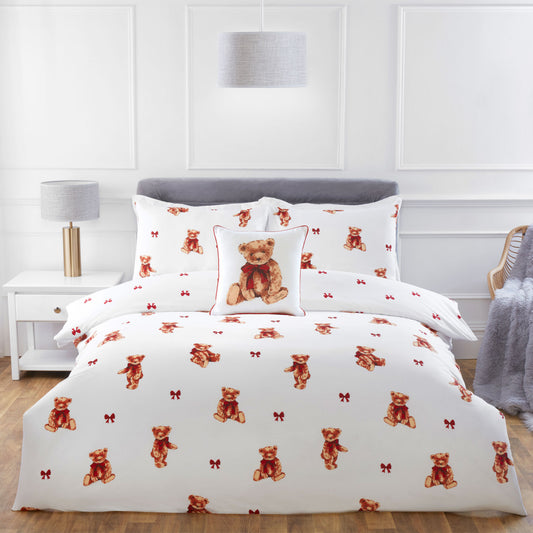
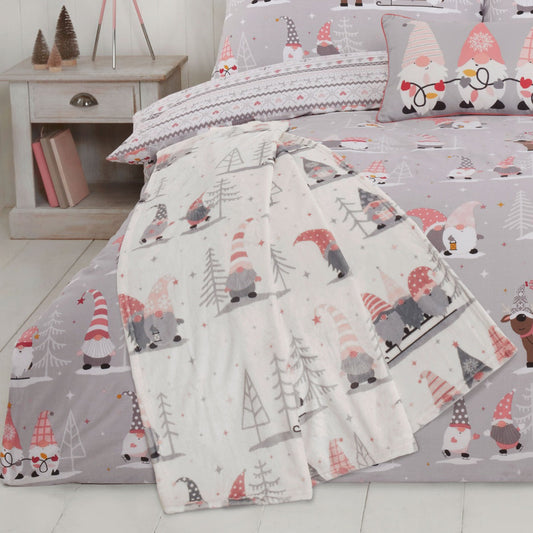
A coverless duvet is a duvet with a printed or woven design built directly into its outer fabric. You use it straight on the bed without a separate duvet cover. The duvet itself is the finished, decorative layer. Most come as a set with matching pillowcases included.

It is a concept that has been popular in mainland Europe for years and is now well established in the UK, particularly with people who find traditional duvet covers a faff, or those who want a neater bedroom without having to think too hard about coordinating separate pieces.

How does a coverless duvet differ from a regular duvet?

With a standard setup, you buy two separate things: the duvet (the filled, insulating layer) and the duvet cover (the removable fabric shell that goes over it). You wash the cover regularly and the duvet itself far less often. The cover gives your bed its colour and pattern.

A coverless duvet combines both into one. The outer fabric is printed or woven so the duvet looks finished on its own. There is no plain white duvet hiding inside a patterned shell. What you see is what you get. You put it on the bed and the job is done.

The practical difference shows up most in bed-making and washing. There is nothing to thread, shake out, or button up. And because the decorative layer is part of the duvet, the whole thing goes in the wash together rather than just the cover.

One other difference worth mentioning: most coverless duvets use quilted stitching across the surface, which holds the filling evenly in place. With a traditional duvet inside a cover, the fill can shift and bunch over time. With a coverless design, the stitching keeps everything in position wash after wash.

What are the benefits of a coverless duvet?

The biggest practical benefit is time. Fitting a duvet cover, particularly on a king or super-king bed, takes longer than it should. With a coverless duvet, you straighten it out and the bed is done. No corners to wrestle into place, no shaking a duvet until the fill settles evenly inside.

The look of the bed tends to be cleaner too. A duvet inside a cover can bunch and shift throughout the day. A coverless duvet typically sits flatter and smoother, which makes a made bed look neater with less effort. If you prefer a hotel-style finish, this is a straightforward way to get it.

From a hygiene standpoint, there is also a less obvious benefit. With a traditional duvet, the gap between the duvet and its cover can become a breeding ground for dust mites and allergens over time, especially if the cover is not washed frequently. A coverless duvet removes that gap. The whole unit gets washed together, making it a cleaner choice for anyone with allergies or sensitive skin.

For guest rooms particularly, coverless duvets are very practical. A bed that is not slept in daily tends to look presentable for longer, and when it does need a refresh, the process is quick. The same logic applies to children's rooms, where spills and accidents happen and you want something that can go straight in the wash without pulling the cover off a separate duvet first.

Coverless duvets also work well in compact spaces. For caravans, holiday cottages, student rooms, or any bedroom where storage is limited, they fold down more compactly than a traditional duvet and cover combined. There is also no linen cupboard shelf full of spare covers to manage.

Are there any downsides?

The main consideration is washing. With a traditional setup, you wash the cover every week or two and the duvet itself much less often. With a coverless duvet, the whole thing goes in the wash more regularly. Your machine needs to be large enough to take it comfortably, as a duvet packed tightly into a too-small drum will not come out clean and can put strain on the machine. Always check the care label and, if needed, use a laundrette with a larger drum.

The other trade-off is flexibility. If you like refreshing your bedroom with a new colour or pattern, a traditional duvet means you just buy a new cover. With a coverless duvet, you are replacing the whole thing. Not a dealbreaker, but worth knowing if your tastes change often.

Tog range is also worth noting. Most coverless duvets sit around 10.5 tog, which covers most of the year in a standard UK bedroom. If you want a very light summer weight or a heavier winter duvet, our full duvets range has more options across the tog scale.

What tog are coverless duvets?

Most coverless duvets are made at 10.5 tog. This is a mid-weight rating that works comfortably through spring, autumn and a moderately heated bedroom in winter. For a typical UK home with central heating, it covers most of the year.

If you are shopping for summer specifically and want something lighter, our summer duvets range covers the 4.5 to 7.5 tog options. For a full breakdown of which tog works for each season, see our duvet tog guide.

For colder nights, layering a throw or blanket over the top is the simplest way to add warmth without needing a heavier duvet. This also gives you more styling flexibility through the year.

How to style a coverless duvet

Because the duvet is the main visual element on the bed, the styling decisions are slightly different from a traditional setup. The duvet itself sets the tone, so the rest of the bed works around it.

Pair your coverless duvet with a fitted sheet and pillowcases in a complementary colour rather than an exact match. A slightly lighter or deeper shade of the same colour family tends to look more considered than a perfect match. If the duvet has a bold pattern, keep the additional pieces simple.

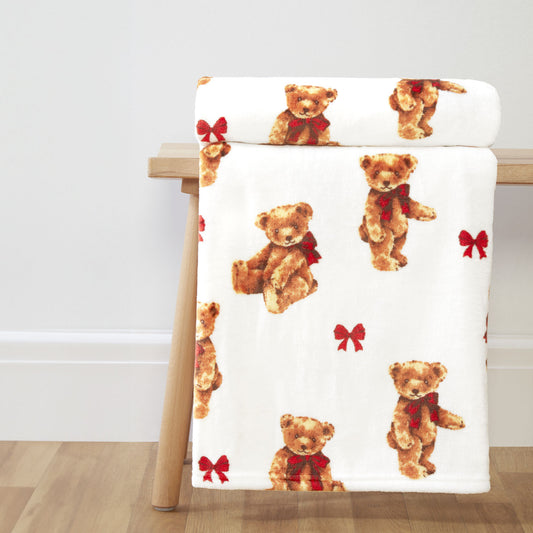
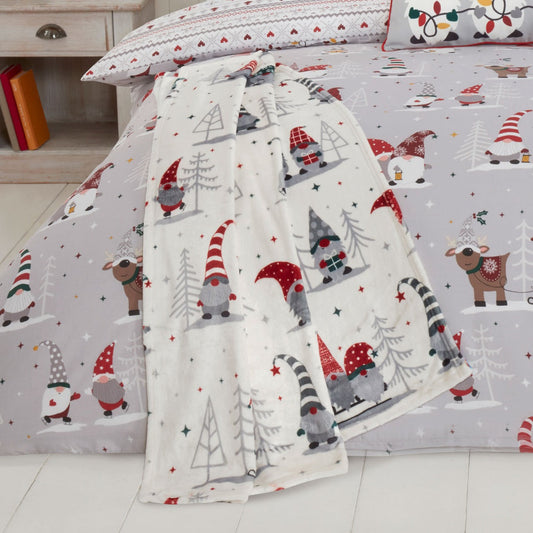
A throw or blanket draped loosely across the foot of the bed adds both warmth and a layered look. This is also practical for anyone who finds 10.5 tog slightly too warm in summer but does not want a separate lighter duvet. A thin cotton throw pulled back at night gives you the option to add it back if the temperature drops.

Scatter cushions in two or three sizes and complementary textures are the easiest way to make a bed look finished. Two or three is usually enough. More than that tends to look cluttered rather than styled.

How do you wash a coverless duvet?

Most are machine-washable at 40 degrees on a gentle cycle. Always check the care label on your specific duvet first. The practical point is drum size: the duvet needs room to move freely to wash and rinse properly. For double, king and super-king sizes, a domestic machine may not be large enough, and a laundrette is the better option.
Tumble drying on a low heat works well for most synthetic fills. If you air dry, lay the duvet flat rather than hanging it, as hanging can pull the filling unevenly while the fabric is wet. Give the duvet a shake once it is dry to help the filling settle evenly, and make sure it is fully dry before putting it back on the bed.

Because there is no separate cover to swap out, most people wash a coverless duvet more frequently than they would a standard duvet: every two to three weeks for regular use, or as needed. Thanks to lighter fills and quick-drying fabrics, most are ready to go again the same day.

Do you need a top sheet with a coverless duvet?

This is a matter of personal preference. Some people sleep directly under the duvet, which is how it is designed to be used. Others prefer a flat sheet between themselves and the duvet, either for warmth regulation or to extend the time between full duvet washes. Both approaches work. If you run warm at night, a cotton flat sheet can be a useful layer to have in between.

Who suits a coverless duvet?

A coverless duvet works well for people who want a straightforward bed that looks good without much effort. If the duvet cover change is one of those household jobs you always put off, removing it from the equation saves time every time you change the bedding. It also suits anyone setting up a guest room, a child's room, a caravan, or a second bedroom that needs to look tidy without daily attention.

It is a less natural fit for people who like to switch up their bedroom look regularly without spending much, or for couples with very different warmth preferences who manage this with two separate duvets at different tog ratings. That kind of flexibility is easier with standard duvets and a mix of covers.

Frequently asked questions

What is a coverless duvet? A coverless duvet has a decorative printed or woven outer fabric built into it, so it is used directly on the bed without a separate cover. It works as both the duvet and the duvet cover in one piece.

Do you need a duvet cover with a coverless duvet? No. The outer fabric is designed to be the visible surface of your bedding. You put it straight on the bed as it comes. Whether you add a flat sheet underneath is a matter of personal preference.

What tog are coverless duvets? Most coverless duvets are 10.5 tog, which is a good mid-weight option for a standard UK bedroom through most of the year. For very hot or cold sleepers, adjusting with a throw or choosing a lighter tog from the standard duvet range is worth considering.

Do coverless duvets clump after washing? Good quality coverless duvets use quilted stitching across the surface, which holds the filling in place rather than allowing it to shift to one end. A shake once dry helps the filling settle evenly.

How often should you wash a coverless duvet? More often than a traditional duvet, since the outer layer is in direct contact with the bed rather than being protected by a cover. Every two to three weeks for regular use is reasonable, or whenever it needs freshening up.

Are coverless duvets good for allergies? A coverless duvet removes the gap between a duvet and its cover, which in a traditional setup can trap dust mites and allergens. Washing the whole unit regularly is also more thorough than just washing a cover. For allergy sufferers, a coverless duvet with a hypoallergenic filling is worth looking for.

Are coverless duvets good for hot sleepers? At 10.5 tog they are a mid-weight option, so hot sleepers may find them too warm in summer. A lower tog standard duvet is likely more comfortable through the warmer months. Our how to sleep in the summer heat guide has practical tips for keeping cool at night.

Can I use a coverless duvet on any bed size? Coverless duvets come in standard UK sizes: single, double, king and super-king. Match the duvet size to your bed rather than going larger, as without a cover to tuck in, the fit is more visible.

Are coverless duvets suitable for caravans or student rooms? Yes. They are a good fit for compact or secondary sleeping spaces because they fold down more neatly than a traditional duvet and cover, there is one less item to pack or store, and the all-in-one wash is convenient when you do not have a full set of spare linen to hand.


Browse our range of coverless duvets, or take a look at our full duvet range if you want to compare options. If you have any questions about which is right for your bedroom, our customer service team is happy to help.

This guide is put together by our bedding team, who work with our full duvet range day to day.

Back to blog

Leave a comment

Please note, comments need to be approved before they are published.